January 27, 2026
The traditional approach of conducting discovery interviews as quarterly projects is giving way to continuous discovery practices. This article explores why this shift is happening, the benefits of making discovery an ongoing habit, and how tools like 28Experts are enabling teams to own their research networks for faster insights and better decision-making.

Articles
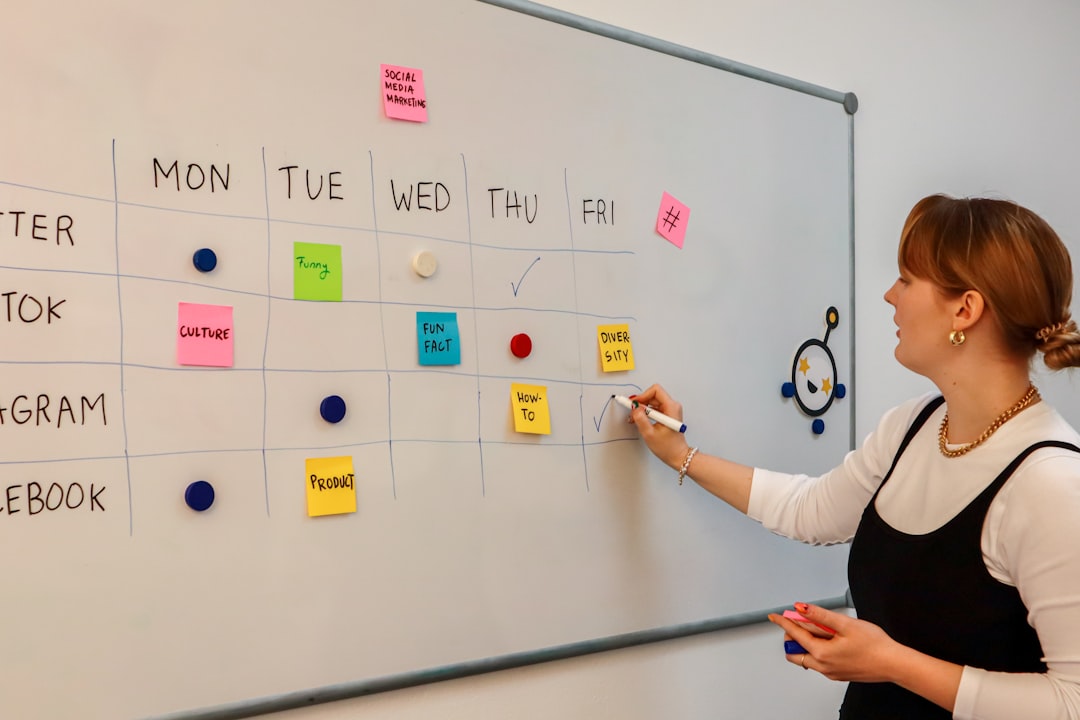
The landscape of customer research is undergoing a fundamental shift. In 2023, most companies still treated discovery interviews as quarterly projects—big efforts that required extensive planning, significant budget approval, and weeks of coordination. By 2026, this model will be largely obsolete.
Forward-thinking teams are already moving toward continuous discovery practices, where customer conversations happen weekly rather than quarterly. This shift isn't just about frequency—it represents a completely different approach to understanding markets and building products that truly solve customer problems.
Quarterly discovery projects emerged in an era when research was expensive, time-consuming, and required specialized expertise. This approach had several inherent limitations:
Traditional discovery follows a predictable pattern: plan for weeks, recruit for weeks, conduct interviews over days, analyze for weeks, and finally present findings. By the time insights reach decision-makers, the market has often moved on.
According to research by Product Science, the average time from discovery planning to actionable insight in traditional models is 7.3 weeks. In fast-moving markets, this creates a dangerous knowledge lag.
When research happens quarterly, companies typically outsource the process to specialized firms. While these firms provide expertise, they also introduce a translation layer between your team and your customers. Critical contextual information gets lost in the handoff.
Traditional research firms operate on a broker model—they own the access to respondents and rent it back to you at significant markups. According to McKinsey, companies typically spend 30-40% of their research budget on broker fees rather than on the research itself.
By 2026, continuous discovery will be the norm for high-performing teams. This approach fundamentally changes how companies learn:
Continuous discovery isn't about doing more quarterly projects—it's about establishing weekly habits. Teams commit to speaking with 1-3 customers every week, creating a steady stream of insights rather than occasional floods.
Teresa Torres, author of "Continuous Discovery Habits," notes: "The goal isn't to do more research. The goal is to make better decisions. Weekly touchpoints with customers lead to better decisions than quarterly deep dives."
When discovery happens weekly, it becomes impractical to outsource. Product managers, UX researchers, and marketers are developing the skills to conduct effective discovery themselves. This direct connection eliminates the translation problem and builds institutional knowledge.
Perhaps the most significant shift is in how teams approach recruiting. Instead of renting access through research brokers, companies are building and owning their research networks.
The transition to continuous discovery requires changes in tools, processes, and mindsets:
Start small—commit to one customer conversation per week. Block the time on your calendar and protect it vigorously. Many teams establish "No Meeting Wednesdays" specifically for customer research.
Equip your team with fundamental interview skills. Focus on open-ended questions, proper probing techniques, and how to avoid leading questions. Resources like the IDEO Method Cards provide excellent starting points for teams new to research.
Stop renting access through traditional firms. Tools like 28Experts now allow teams to turn their LinkedIn accounts into recruitment engines, reaching exactly the right people without the broker layer. This approach not only reduces costs but creates a lasting asset—a network of connections your team can return to for future conversations.
Several technological developments have made continuous discovery more accessible:
Platforms like 28Experts have emerged that help teams recruit directly through their own LinkedIn networks. These tools pool team members' LinkedIn accounts into a single outreach engine, allowing for scaled recruitment without the traditional broker markup.
AI tools now convert raw interviews into actionable insights within hours rather than weeks. These tools identify patterns across conversations, highlight key quotes, and generate visual representations of findings—dramatically reducing the analysis bottleneck.
According to Harvard Business Review, teams using AI synthesis tools reduce their analysis time by 68% while maintaining or improving insight quality.
Rather than cobbling together different tools, integrated platforms now manage the entire discovery workflow—from recruitment to scheduling, recording, transcription, analysis, and sharing. This integration reduces administrative overhead and allows researchers to focus on learning.
The business case for continuous discovery is compelling:
Continuous discovery collapses the time from question to answer. Teams can validate assumptions in days rather than months, enabling faster pivots and reducing expensive investment in wrong directions.
By eliminating the broker layer, companies typically reduce their per-interview cost by 40-60%. These savings often allow teams to conduct more interviews within the same budget.
Perhaps most importantly, continuous discovery leads to better products. According to a 2025 study by First Round Capital, startups practicing continuous discovery were 37% more likely to achieve product-market fit than those using traditional research methods.
The shift to continuous discovery doesn't happen overnight, but there are practical steps teams can take immediately:
By 2026, the companies gaining market advantage will be those that have fully embraced continuous discovery. They'll benefit from fresher insights, deeper customer connections, and the ability to adapt quickly to changing market conditions.
The question isn't whether continuous discovery will become the standard—it's whether your team will lead or follow in this transformation. The tools, methodologies, and economic advantages all point toward a future where customer conversations are an ongoing practice, not a quarterly project.
The teams that build this muscle now will find themselves with a significant competitive advantage as markets continue to evolve at an ever-increasing pace.
.png)